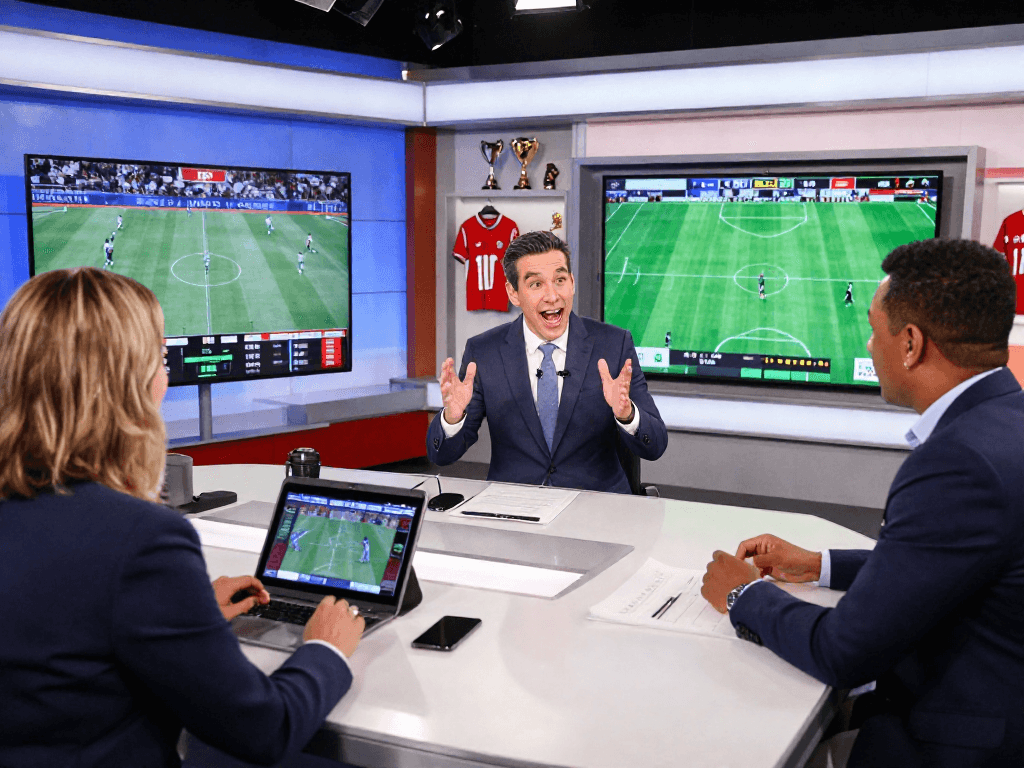
Understanding the Digital Sports Broadcasting Landscape
As sports viewership shifts aggressively towards online platforms, understanding the intricacies of digital sports broadcasting has never been more critical. The integration of technology into sports has transformed how fans engage with their favorite teams and events, establishing new norms in how content is consumed. This article delves into the latest trends, technical aspects, and strategies that are shaping the future of sports broadcasting, providing insights for industry professionals and enthusiasts alike. For an in-depth exploration of emerging trends in this exciting sector, consider visiting http://rakhoitv.network/.
Overview of Current Trends in Sports Streaming
The landscape of sports streaming is constantly evolving, driven by advances in technology and changing consumer preferences. Traditional broadcasters are competing with digital-native platforms, leading to an influx of content options for viewers. Some notable trends include:
- Subscription-based models: Platforms like DAZN and ESPN+ are paving the way, offering exclusive content and live sports streaming, allowing fans to choose their subscriptions based on personal preferences.
- Interactive streaming: Enhanced engagement through features like live polls, interactive chat rooms, and real-time statistics fosters a community atmosphere, elevating the viewing experience.
- Multi-platform availability: Viewers expect to access content across different devices—from smart TVs to smartphones—leading to increased investment in mobile applications and web development.
Analyzing Audience Engagement Techniques
With sports viewership becoming more fragmented, engaging audiences effectively has become crucial. Techniques like social media integration, personalized content recommendations, and user-generated content play pivotal roles. Content that resonates with the audience drives loyalty and enhances viewership. One effective strategy involves leveraging analytics to understand viewer behavior and preferences, allowing for tailored marketing efforts that speak directly to the audience's interests.
Key Players and Competitors in the Market
The digital sports broadcasting industry has several dominant players, including traditional broadcasters like NBC Sports and emerging platforms such as FuboTV and Peacock. Each platform offers unique features that attract distinct audience segments. Understanding the strengths and weaknesses of these competitors can provide valuable insights for developing a robust content strategy and identifying market gaps.
Technical Aspects of Broadcasting Live Sports Events
Equipment Essentials for High-Quality Streams
To deliver a seamless streaming experience, high-quality equipment is a must. Essential tools include:
- Cameras: HD cameras capable of capturing vivid details are essential for professional broadcasts.
- Audio equipment: Clear audio is crucial for commentary and viewer engagement; high-quality microphones and sound mixers can make a significant difference.
- Encoders: These devices convert video into a digital format that can be streamed over the internet, ensuring that quality is maintained during the broadcasting process.
Software Solutions for Seamless Broadcasting
Investing in the right software is essential for ensuring smooth transitions and professional production quality. Solutions like OBS Studio and Wirecast provide user-friendly interfaces for live streaming, while sports-specific software can enhance analytics and viewer interaction. These tools enable broadcasters to deliver high-quality content while maintaining operational efficiency.
Best Practices for Live Event Coverage
Effective live sports coverage requires meticulous planning and execution. Best practices include:
- Pre-event preparation: Thoroughly plan content strategies, from team rosters to key statistics, ensuring that the audience receives valuable insights during the event.
- Engagement strategies: Incorporate social media elements and viewer interactions throughout streams to create a more immersive experience.
- Post-event follow-ups: Utilize highlights, interviews, and analysis to keep the event relevant and engage audiences beyond the live broadcast.
Strategies to Enhance Viewer Experience
Interactive Features: Polls and Live Chats
Integrating interactive features like live polls and chat functions can significantly enhance viewer engagement. These features create a virtual community environment where fans can share their thoughts and reactions, making the experience more immersive. Broadcasters should regularly adapt their interactive offerings based on viewer feedback and trends.
Incorporating Augmented Reality in Broadcasts
Augmented reality (AR) is becoming an increasingly popular tool in sports broadcasting. By incorporating AR graphics and overlays, broadcasters can present information in a more engaging way. For instance, AR can be used to display player statistics in real time, enriching the viewing experience and providing context to the audience.
Personalization Techniques for Audience Retention
Personalization is key in retaining audiences. By analyzing viewer behavior, broadcasters can tailor content recommendations, ensuring that fans see the matches and highlights that matter most to them. This strategy not only enhances satisfaction but also builds loyalty towards the platform.
Future Trends in Sports Broadcasting Technology
Advancements in 5G and its Impact
The rollout of 5G technology promises to revolutionize sports broadcasting by facilitating faster and more reliable streaming. This advancement will reduce latency issues, thereby enhancing the viewer experience during live events. High-quality video streaming, combined with real-time data delivery, will redefine how fans interact with sporting events.
The Role of AI in Content Creation
Artificial intelligence (AI) is playing a transformative role in sports broadcasting. From automating highlight reels to analyzing player performance, AI can streamline several processes. Future applications may include AI-driven commentary, where algorithms generate insights based on real-time data, thereby enhancing viewer engagement through enriched storytelling.
Emerging Platforms and Distribution Channels
As consumers continue to migrate towards online platforms, new distribution channels are emerging. Social media platforms like Facebook and Instagram are increasingly used for live sports broadcasts, catering to younger audiences who prefer mobile viewership. This shift presents opportunities for traditional broadcasters to adapt their strategies to reach these audiences effectively.
Measuring Success in Sports Broadcasting
Key Performance Indicators to Track
To measure the effectiveness of sports broadcasting strategies, key performance indicators (KPIs) must be established. Important metrics include:
- Viewership numbers: Tracking how many viewers tune in to live broadcasts can provide insights into audience reach.
- Engagement rates: Metrics such as average watch time and interaction rates on social media can highlight how compelling the content is.
- Conversion rates: Monitoring how many viewers convert to subscribers can help assess the effectiveness of promotional strategies.
Analyzing Viewer Feedback for Continuous Improvement
Regularly analyzing viewer feedback is crucial for ongoing improvement. Collecting data through surveys and social media can reveal audience preferences, enabling broadcasters to refine their offerings continually. By being responsive to viewer sentiments, platforms can enhance user satisfaction and retention.
Case Studies: Successful Sports Broadcast Campaigns
Examining successful case studies provides valuable lessons in effective sports broadcasting. Campaigns that effectively utilize social media, personalized content, and interactive features demonstrate clear strategies that resonate with audiences. Studying these successes can inspire innovation and help identify best practices.
What is the future of sports broadcasting?
The future of sports broadcasting will be intertwined with rapidly evolving technology. With the advent of 5G and AI, broadcasters will have the tools to deliver richer, more immersive experiences. As audience preferences shift, companies that prioritize viewer engagement and adaptability will thrive.
How can I improve my sports broadcasting skills?
Improving sports broadcasting skills requires a blend of practice, continual learning, and feedback. Engaging with online courses, seeking mentorship opportunities, and participating in live event coverage can significantly enhance one’s abilities. Additionally, staying updated on industry trends will ensure you remain competitive in this dynamic field.
What technology is essential for live sports streaming?
Essential technology for live sports streaming includes high-definition cameras, professional audio equipment, and reliable encoding software. Moreover, a strong internet connection, preferably with 5G capabilities, is vital for delivering uninterrupted viewing experiences. Understanding and investing in these technologies will provide a solid foundation for successful broadcasts.
What are the major challenges in sports broadcasting?
Major challenges in sports broadcasting include competition from emerging platforms, technological advances, and evolving viewer preferences. Staying ahead in content delivery, engagement strategies, and the ability to adapt to consumer needs remains crucial. Furthermore, addressing copyright issues and maintaining high-quality standards in streaming introduce additional complexities in the industry.
How does Rakhoitv.network stand out in sports media?
Rakhoitv.network differentiates itself from competitors by offering a user-friendly interface that caters to both casual and hardcore sports fans. Its real-time updates, comprehensive coverage of various leagues, and commitment to high-quality streaming set it apart in an oversaturated market. By leveraging technology and audience feedback, it consistently enhances its offerings, making it a go-to destination for live sports entertainment.